2025 CSU-TAPS Winners Revealed at the Annual Celebration Banquet!
The year-end banquet was about celebrating innovation and community in the CSU-TAPS program.
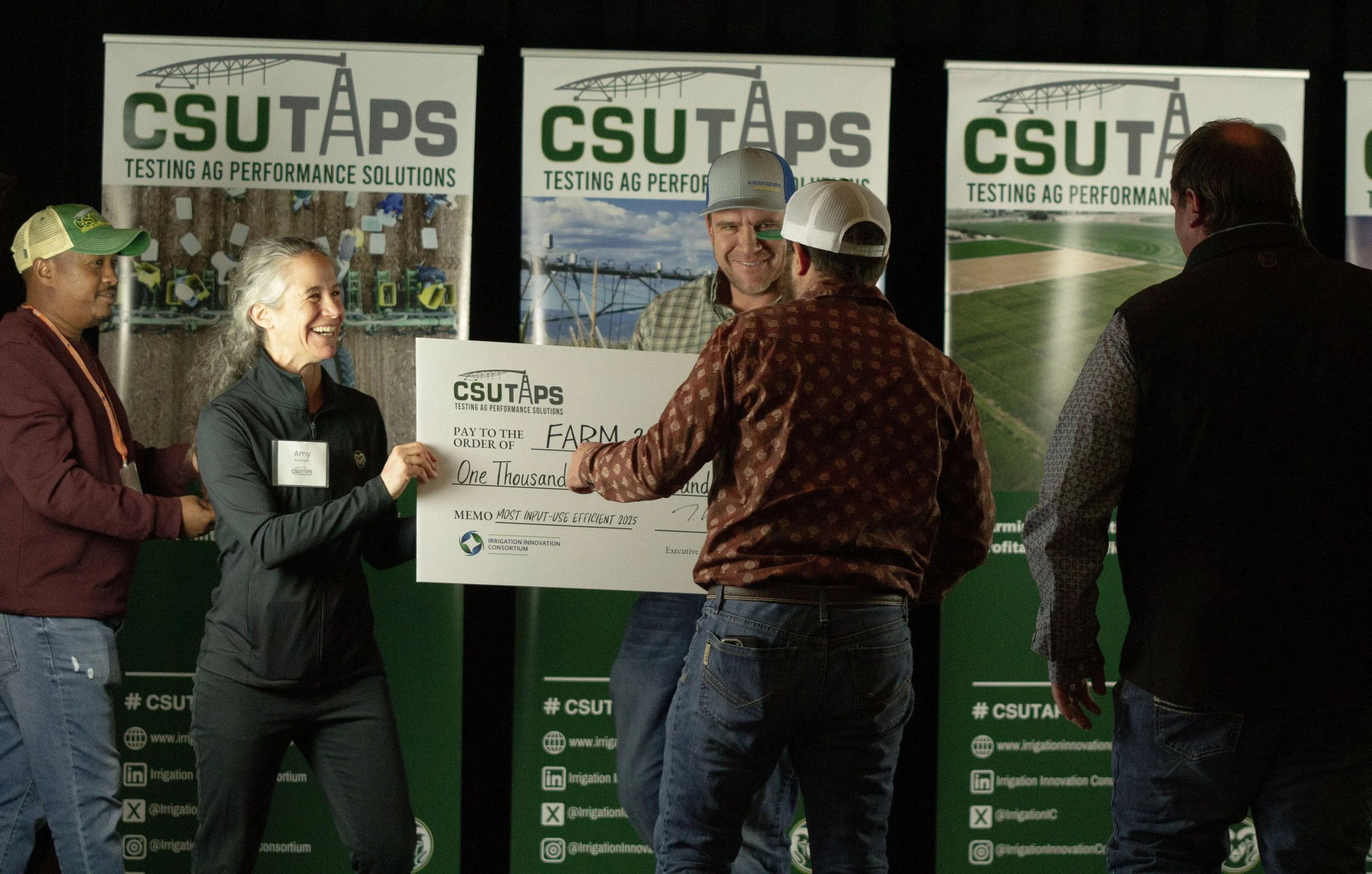
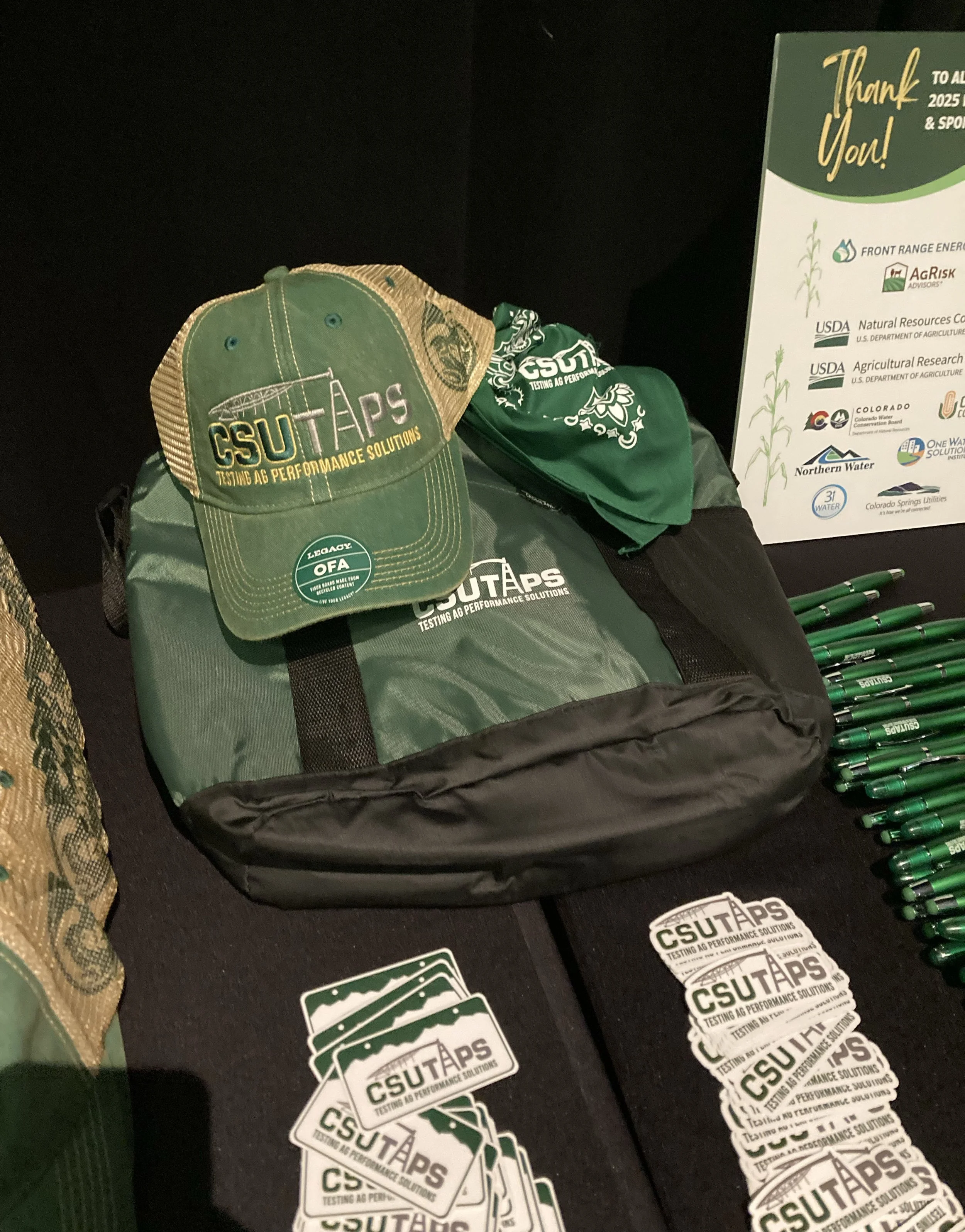
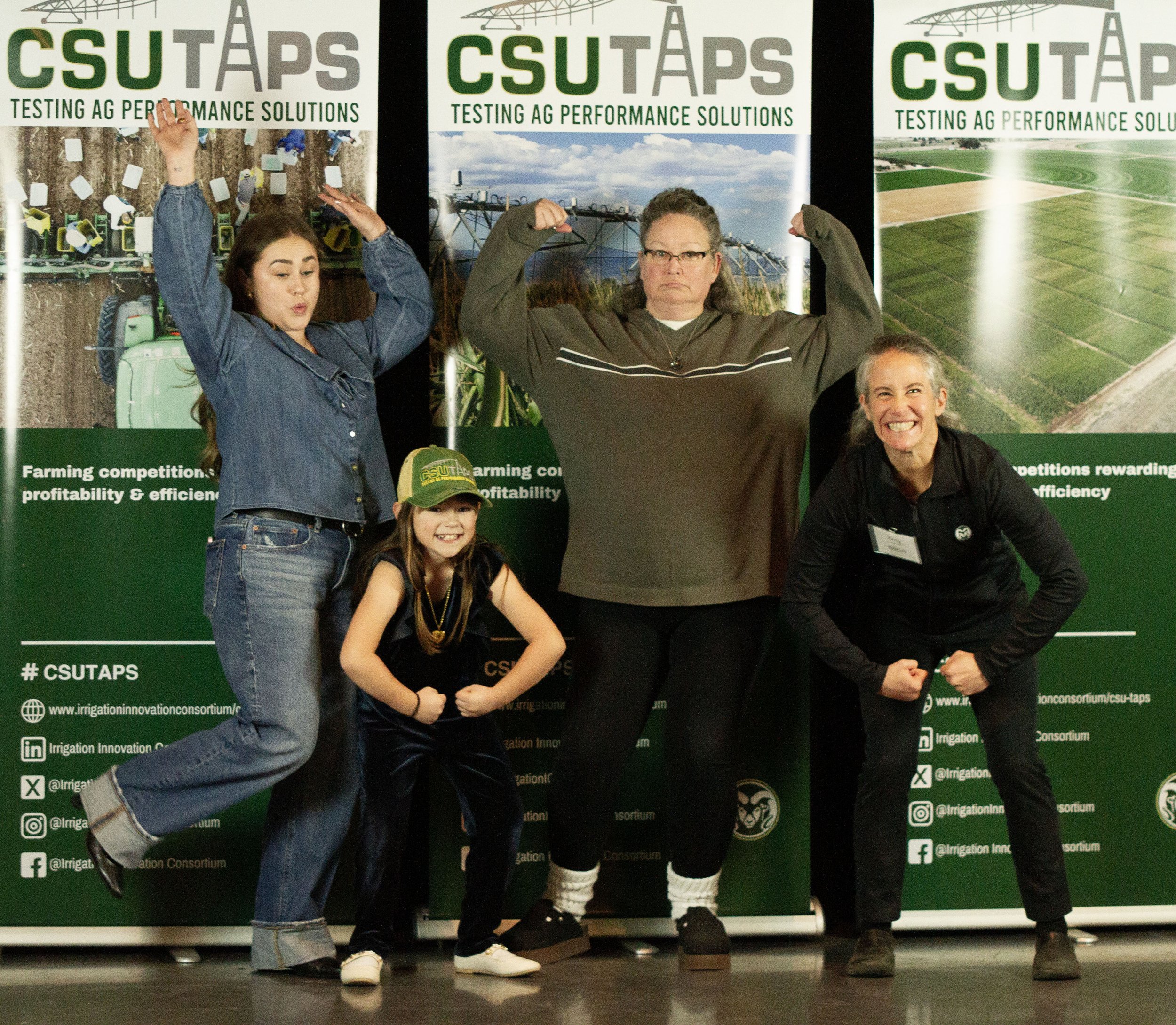
CSU-TAPS 2025 winners were honored with presentation checks, plaques, and award photos. Scroll down for more banquet photos below!
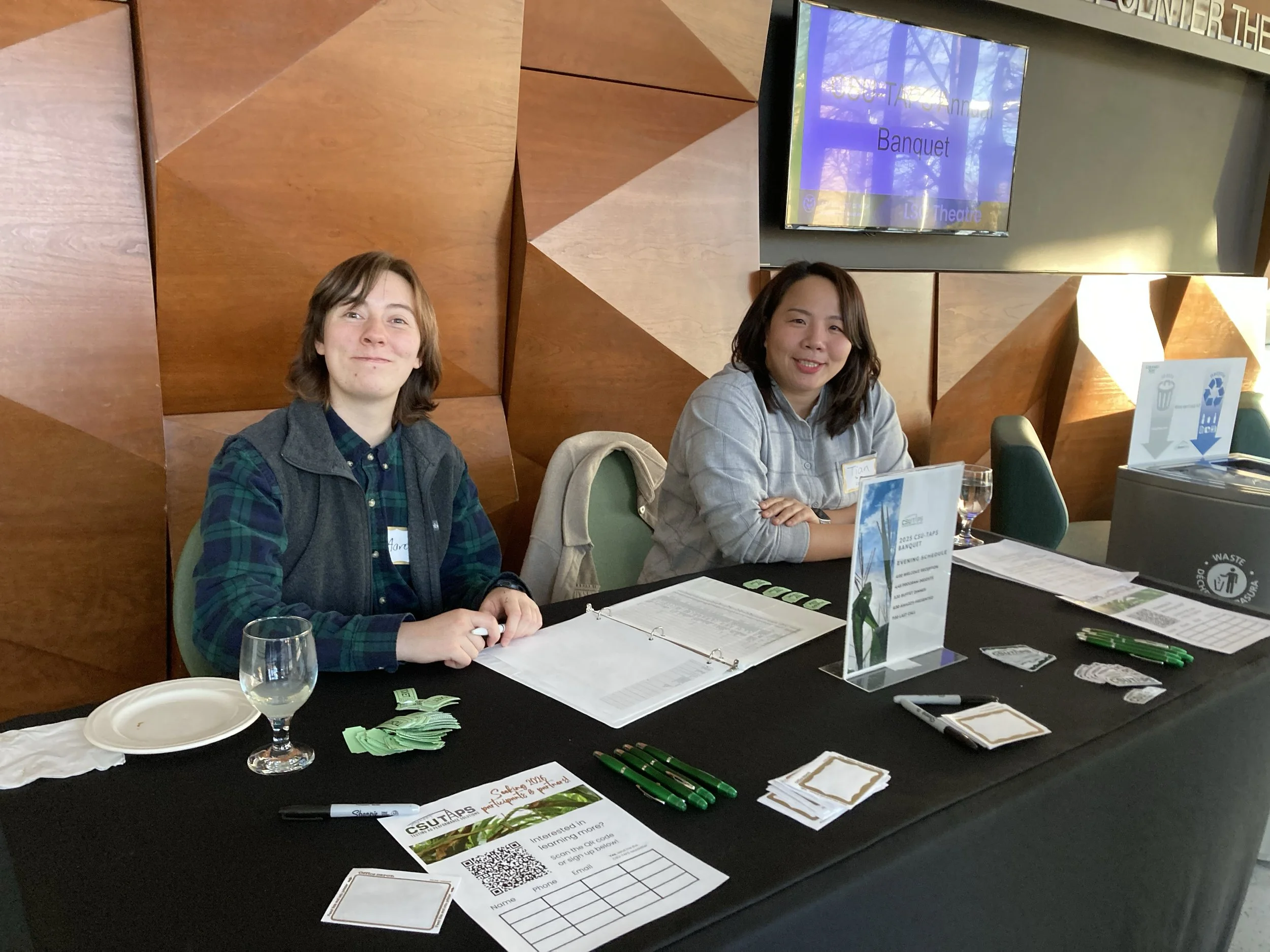
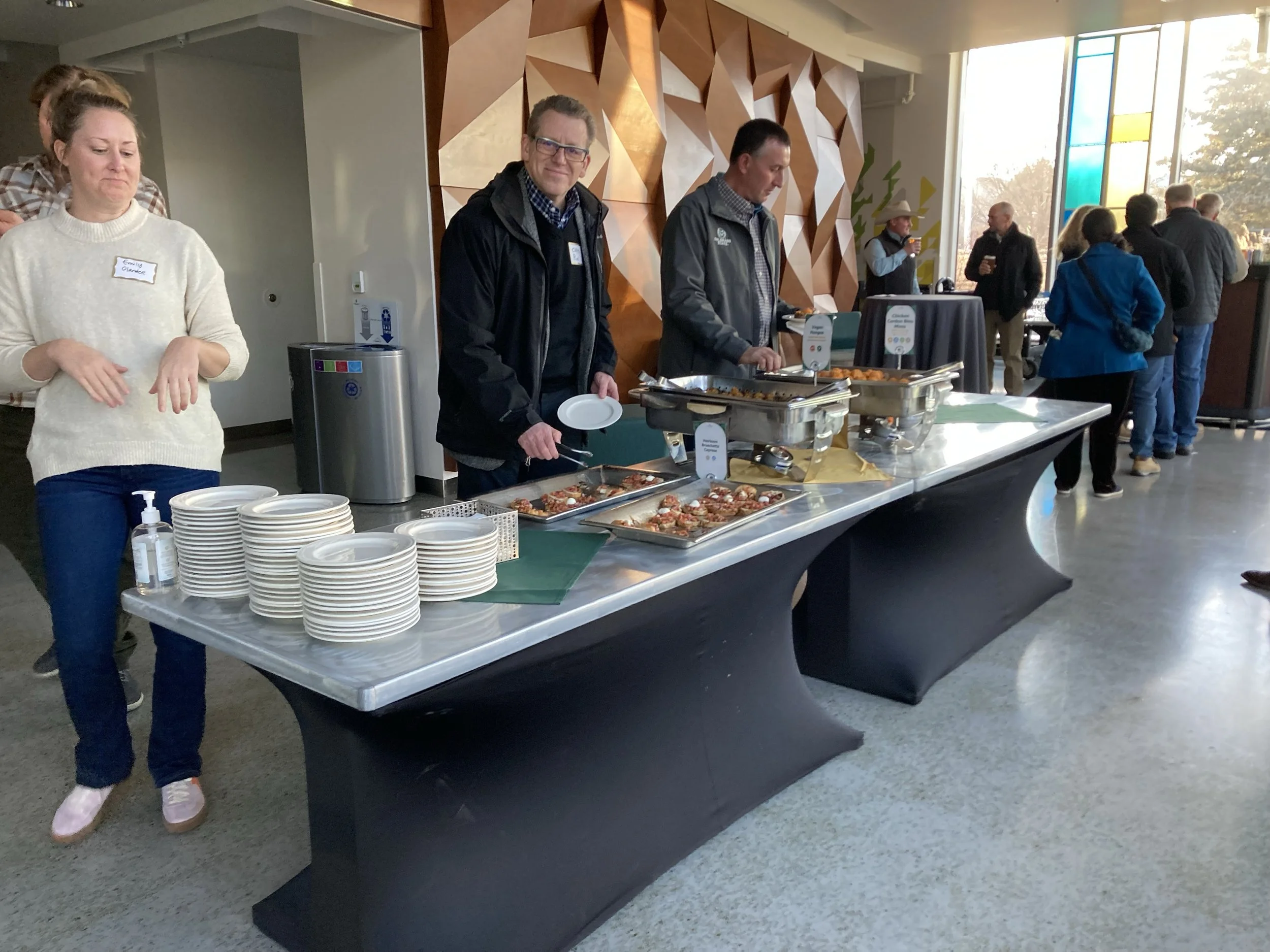
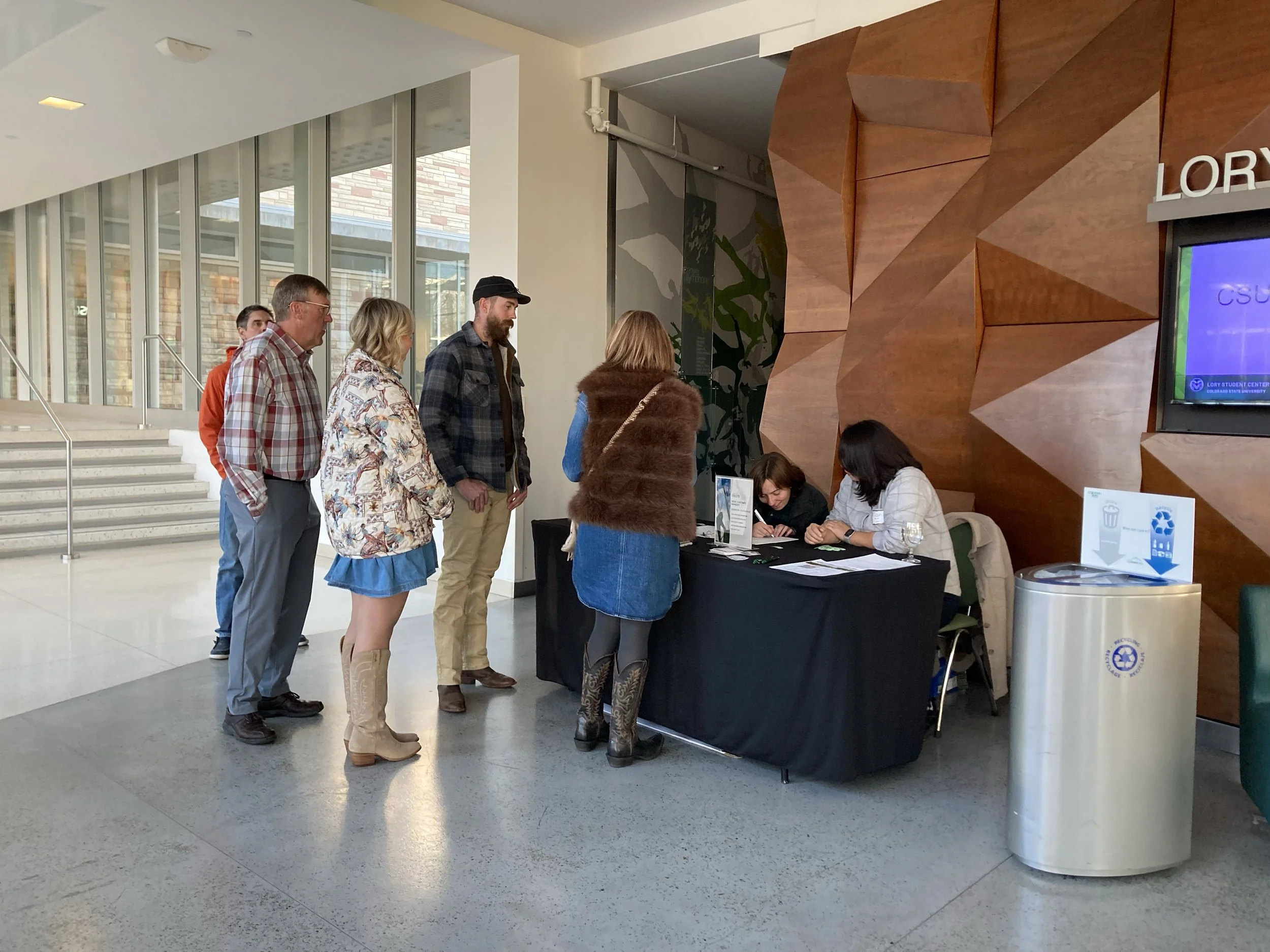
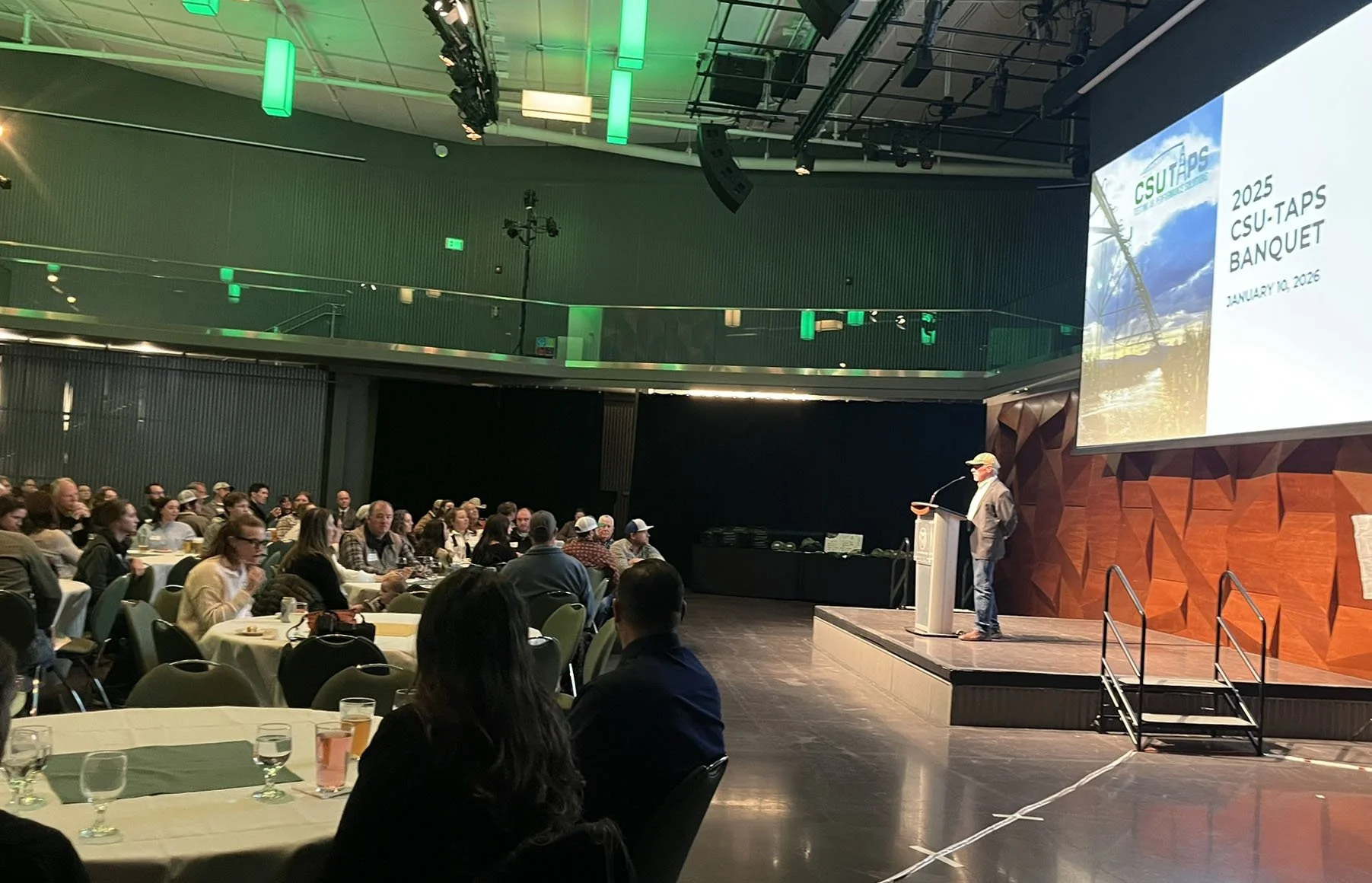
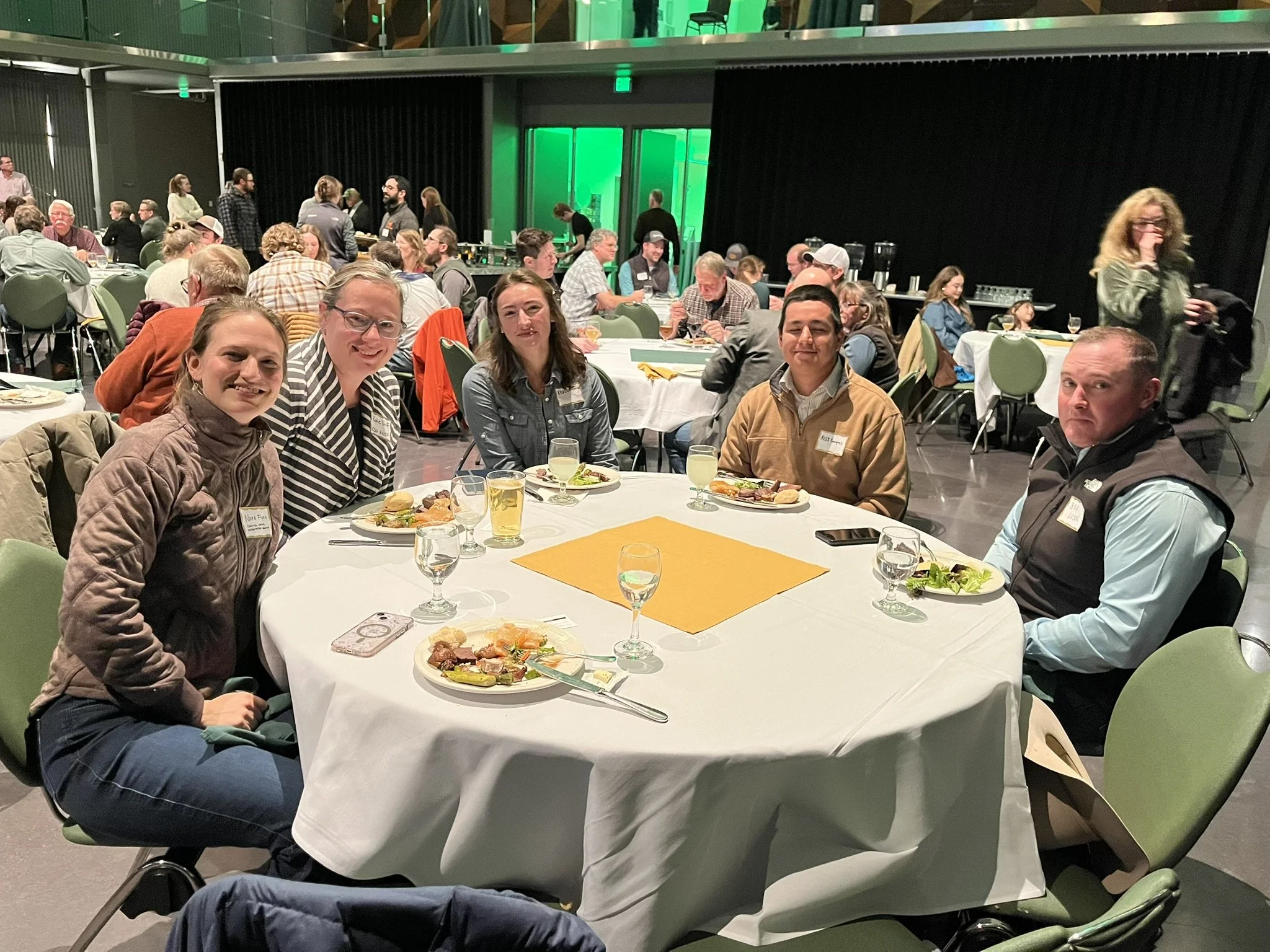
The Colorado State University Lory Student Center Theater set the stage for a night of celebration with nearly 100 guests on January 10, 2026, to wrap up the third season of the CSU-Testing Ag Performance Solutions (CSU-TAPS) Farm Management Competition. Producers, ag professionals, researchers, and industry partners gathered together at the CSU main campus in Fort Collins to honor the creativity and hard work of the participants who defined the 2025 growing season.
This year’s competition featured 25 teams (79 individuals) involved in making decisions through the growing season to grow and market corn from sprinkler irrigated “mini” farms at CSU’s Agricultural Research, Development, and Education Center (ARDEC) South campus.
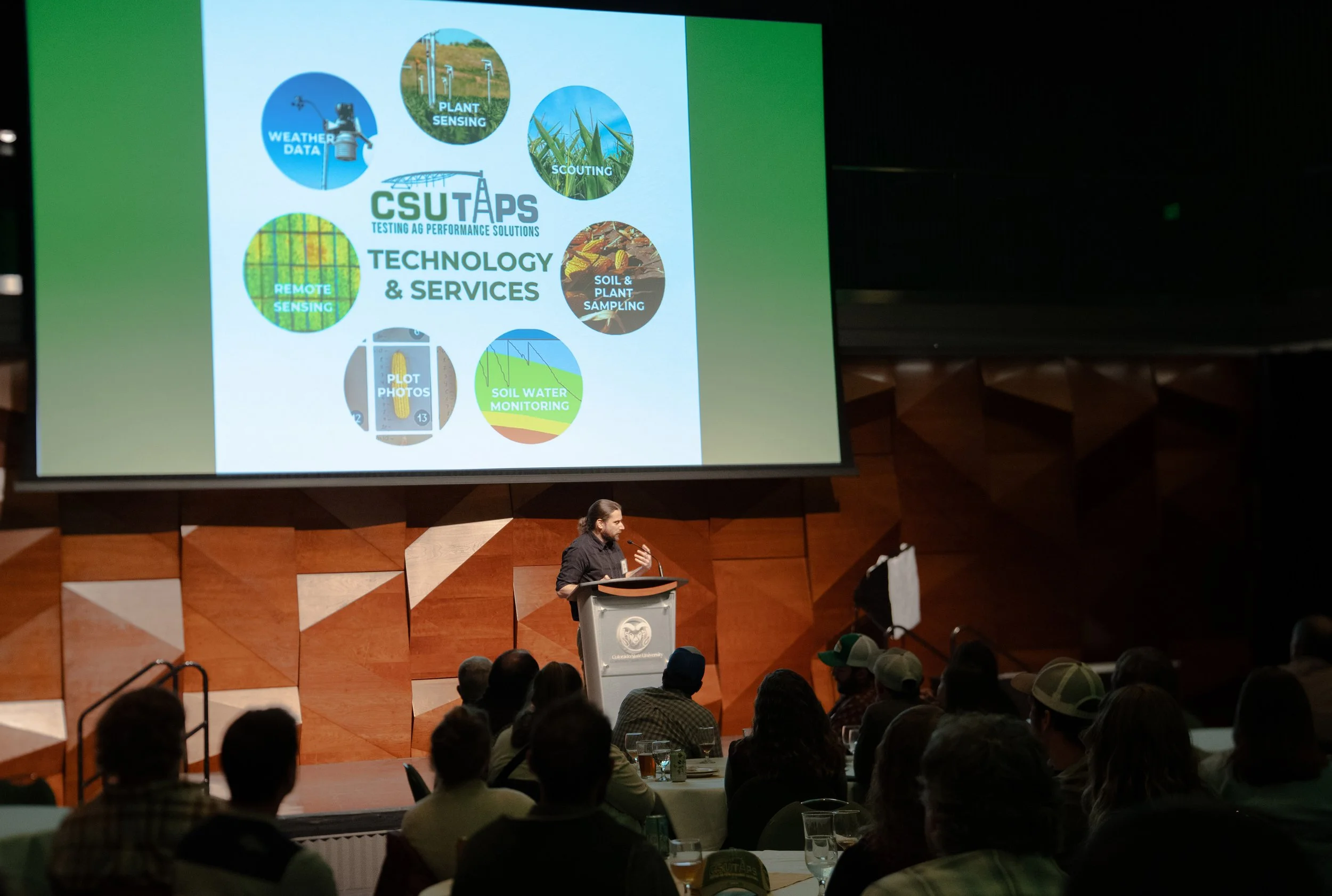
The TAPS challenge is all about testing precision management strategies using data streaming from agricultural technologies while competing for top honors in input use efficiency, profitability, and yield.
After months of activity and data crunching, it was time to celebrate the program with an evening banquet and finally reveal the winners.
Big Wins and Big Checks
Six cash awards totaling more than $6,800 were presented, along with a special recognition award. Winners posed with plaques, giant presentation checks, and plenty of smiles for the cameras.
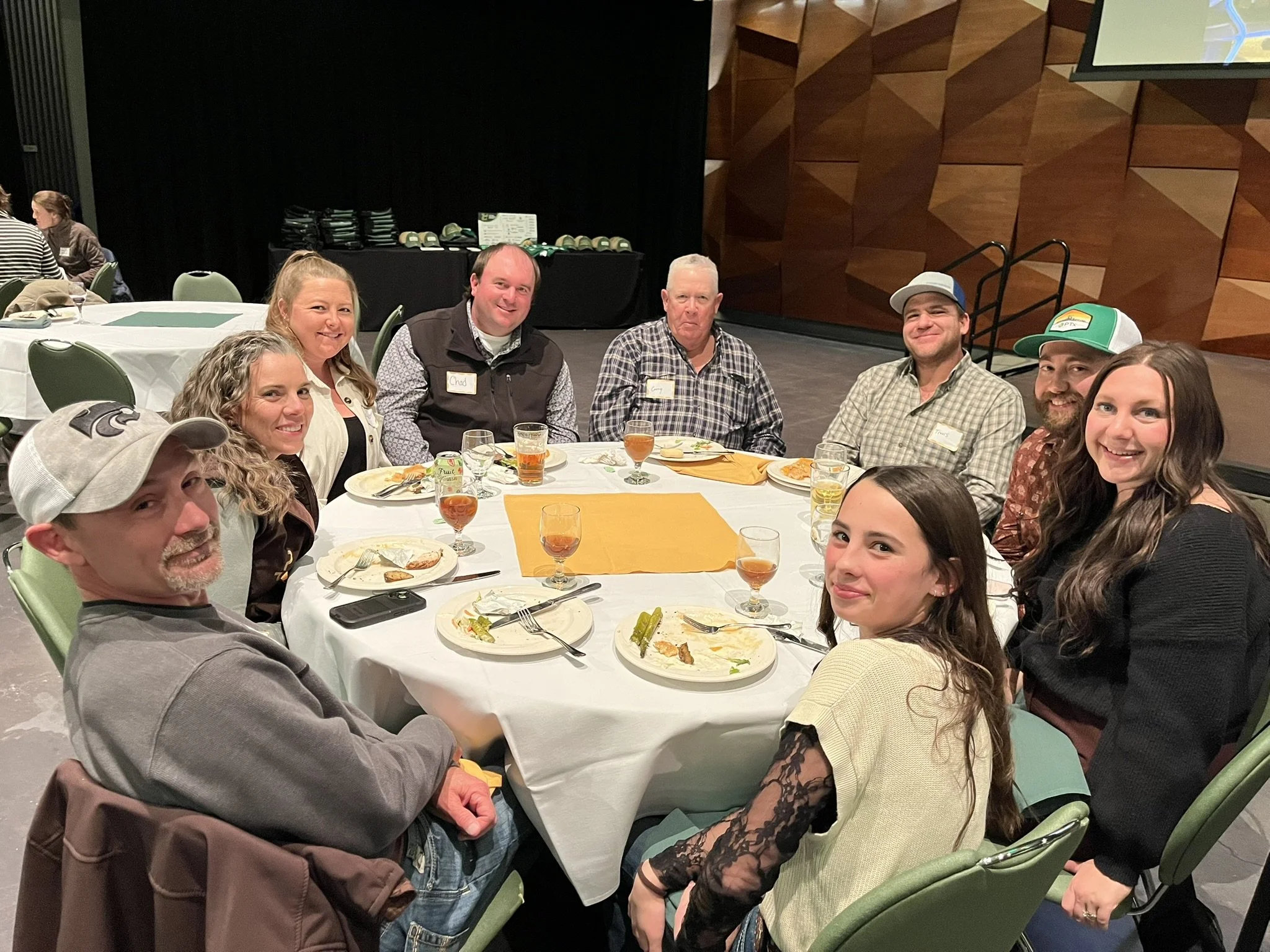
In the full irrigation track, Farm 21 (Amber Graves, Rob Graves, and Joshua Sunberg) earned Most Profitable and Highest Yield awards. Farm 2 (Chad Musick, Ryley Stringer, and Travis Steiben) took home the Most Input Use Efficient award.
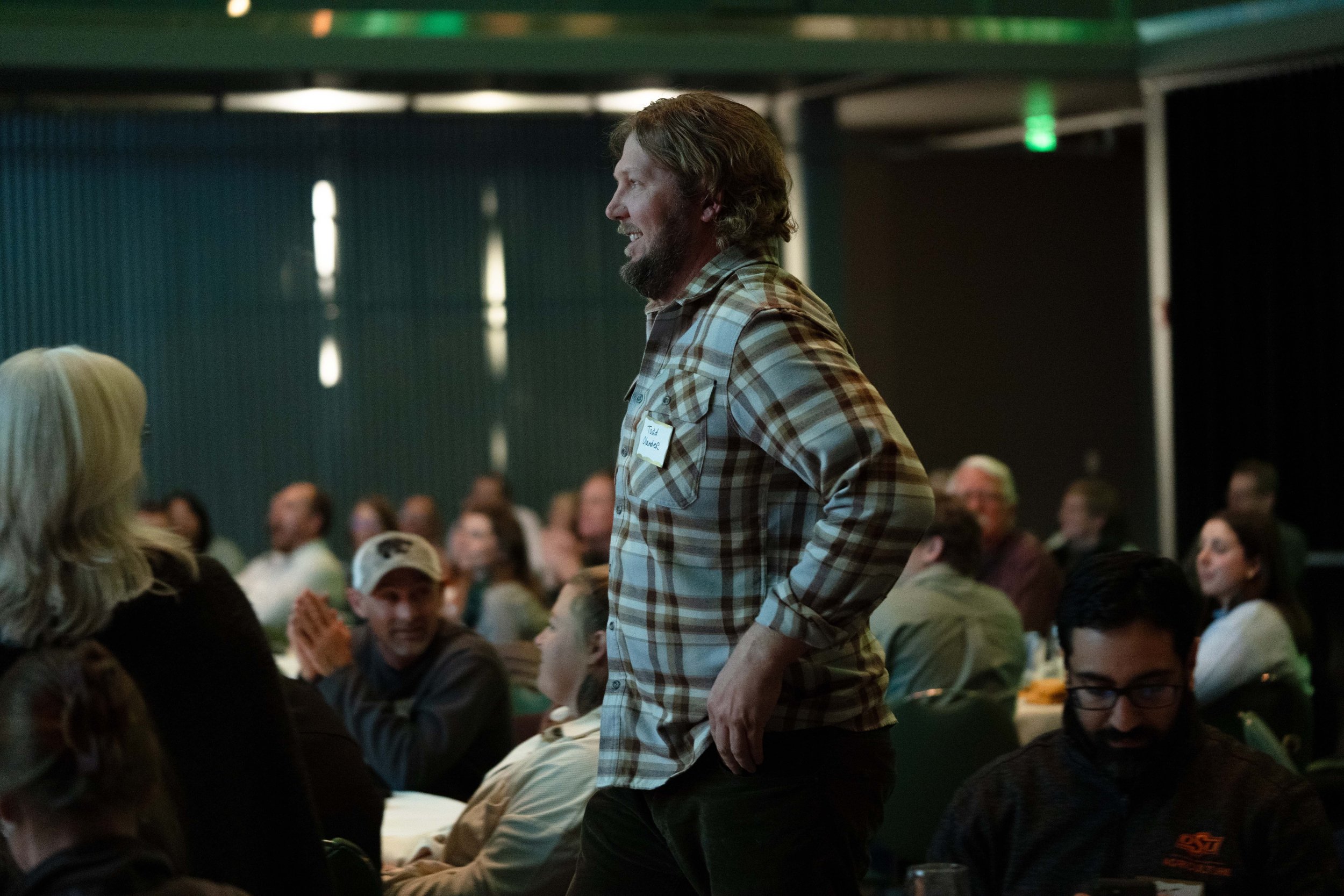
Limited irrigation track honors went to Farm 16 (Kevin Bakel, Todd Olander) for Most Profitable, and Farm 19 (Brent Francen) for Highest Yield. The Ryan Taylor Award for Limited Irrigation Most Input Use Efficient went to Farm 11 (Larry Lempka, Tom Gray, Crossroads Cooperative).
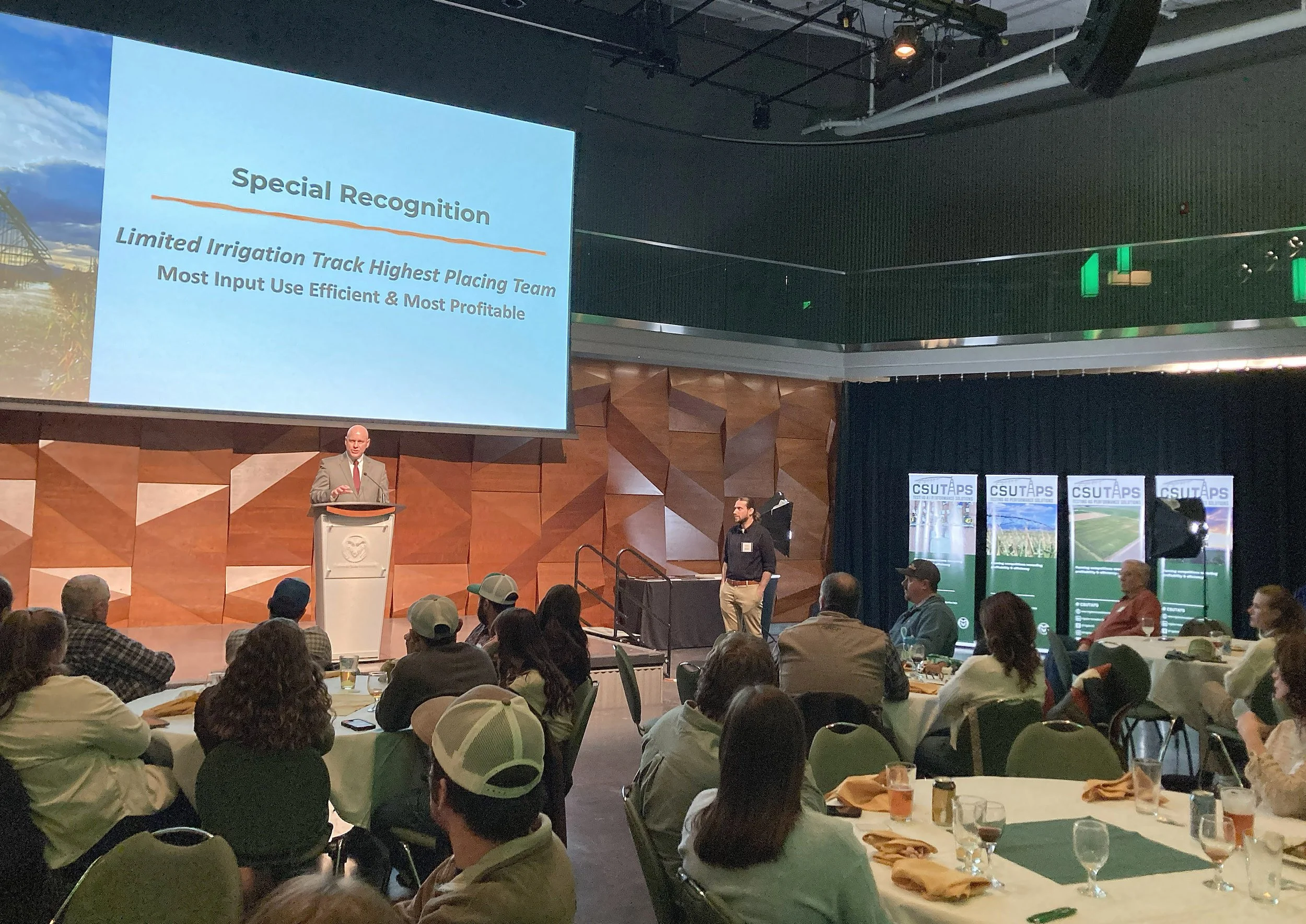
Special recognition went to Farm 10, representing the USDA-Natural Resources Conservation Service Fort Collins and Greeley Service Centers (Colorado), for outstanding performance in two limited irrigation categories—most profitable and most input use efficient; however, as agency staff they were ineligible for cash awards.
More Than Awards
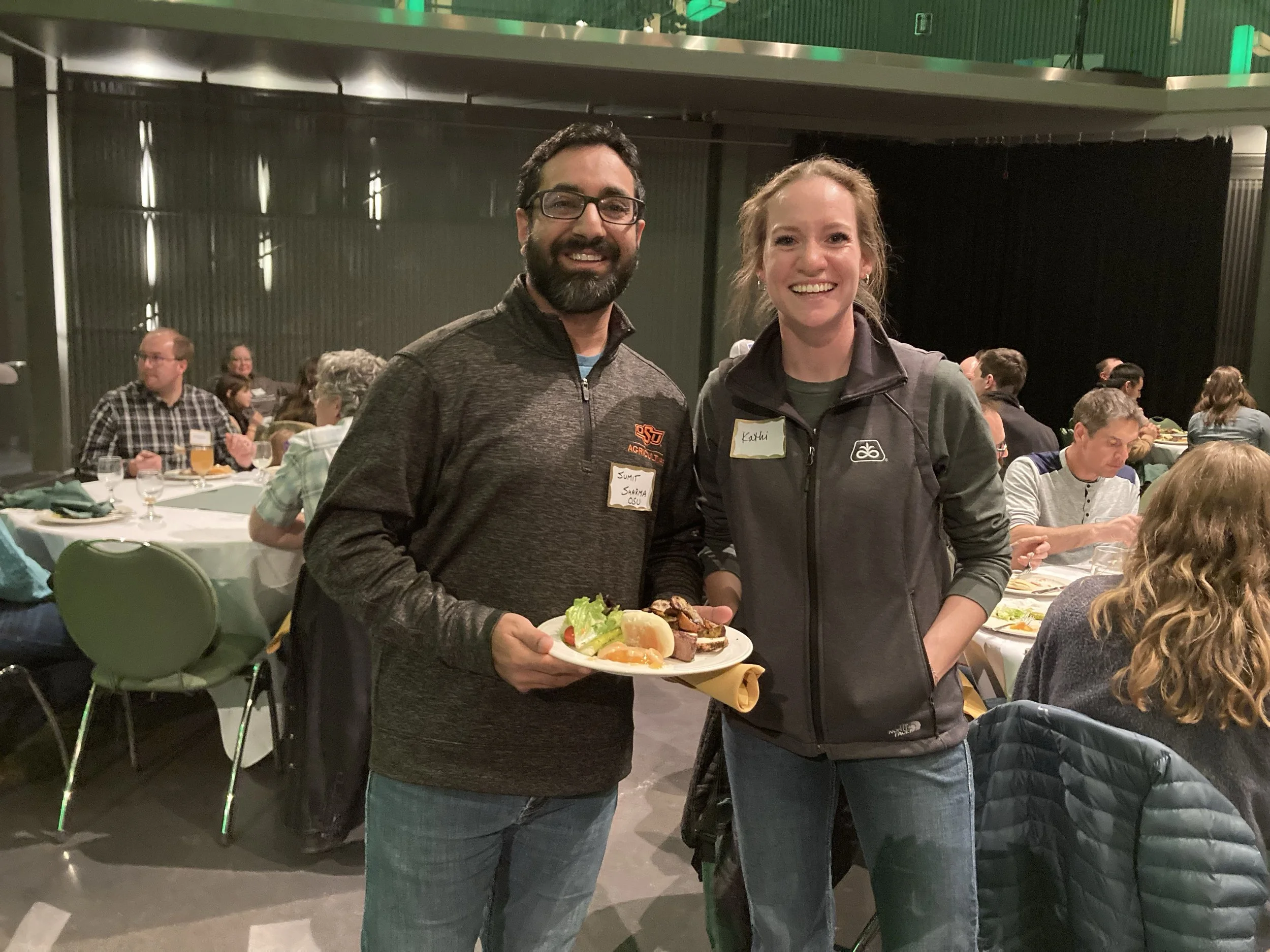
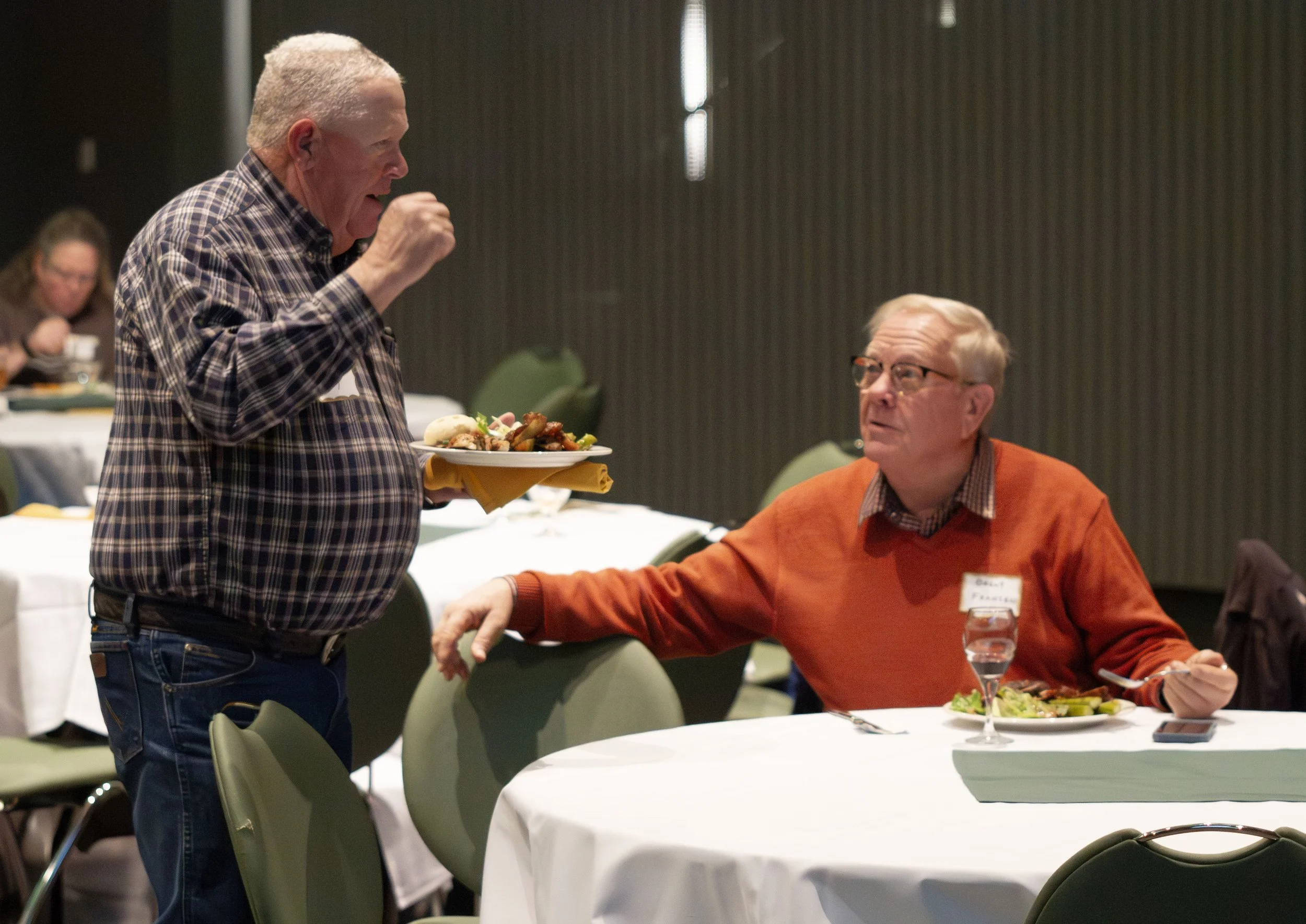
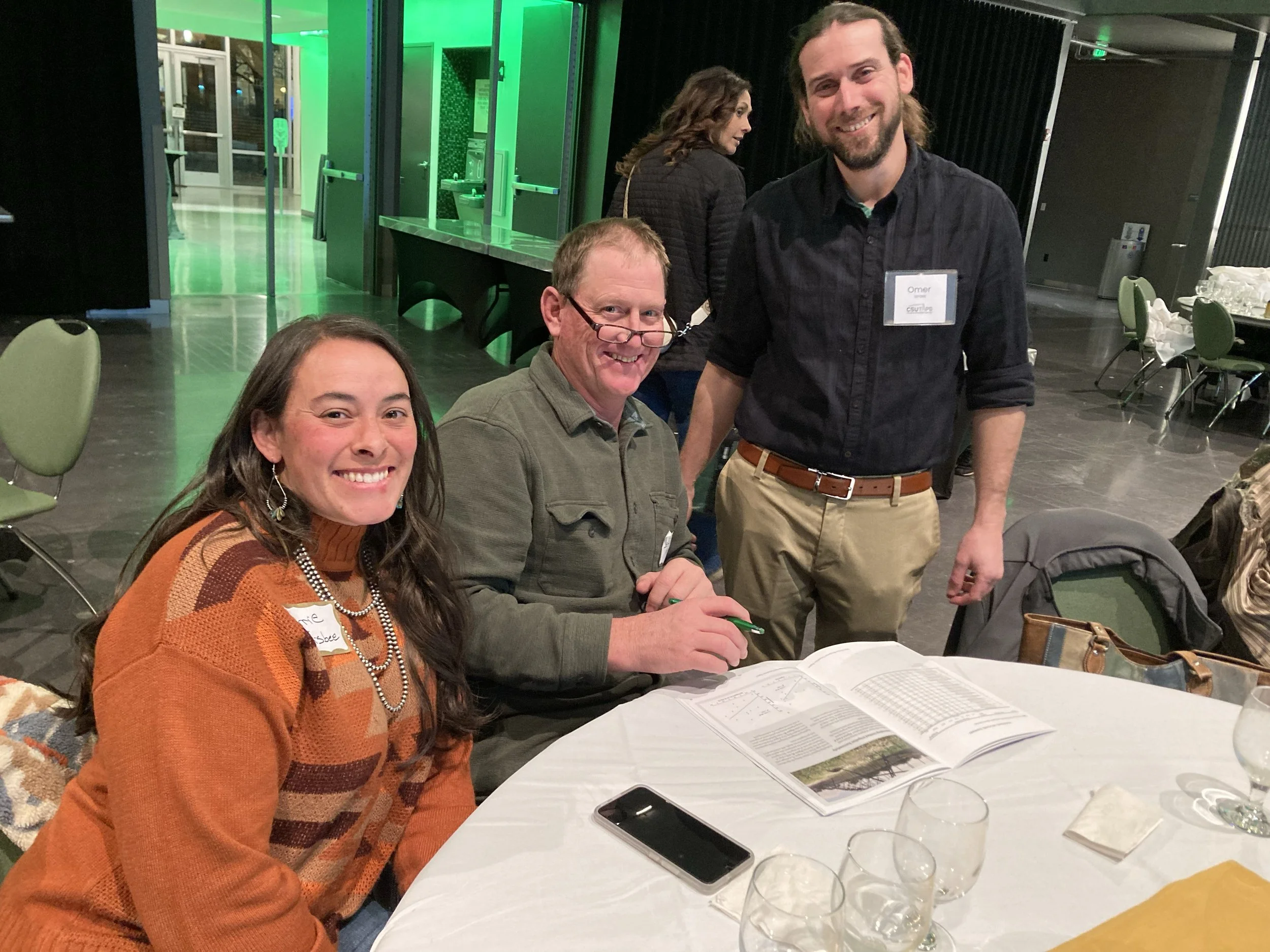
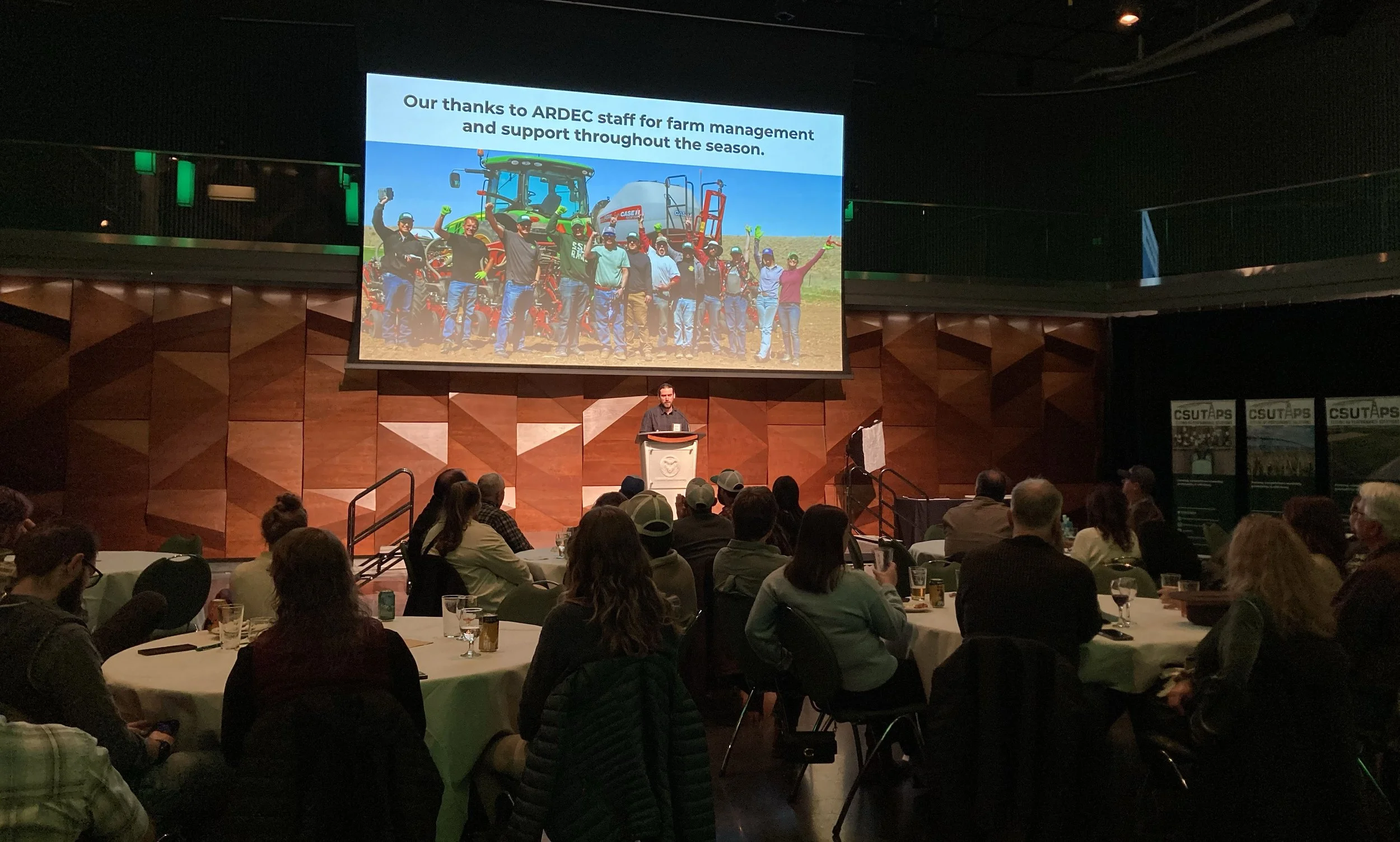
The evening wasn’t just about competition—it was about connection. Over dinner featuring Colorado beef, with a rolling slideshow of the season on the big screen, guests engaged in conversations about logistics of making seed and input use decisions for the randomized, replicated plots in the TAPS field, and using soil moisture technologies and satellite imagery. The event afforded a chance for producers from across the Colorado to gather and enjoy visiting with each other, ag tech industry partners, state and federal agency staff, and CSU researchers.
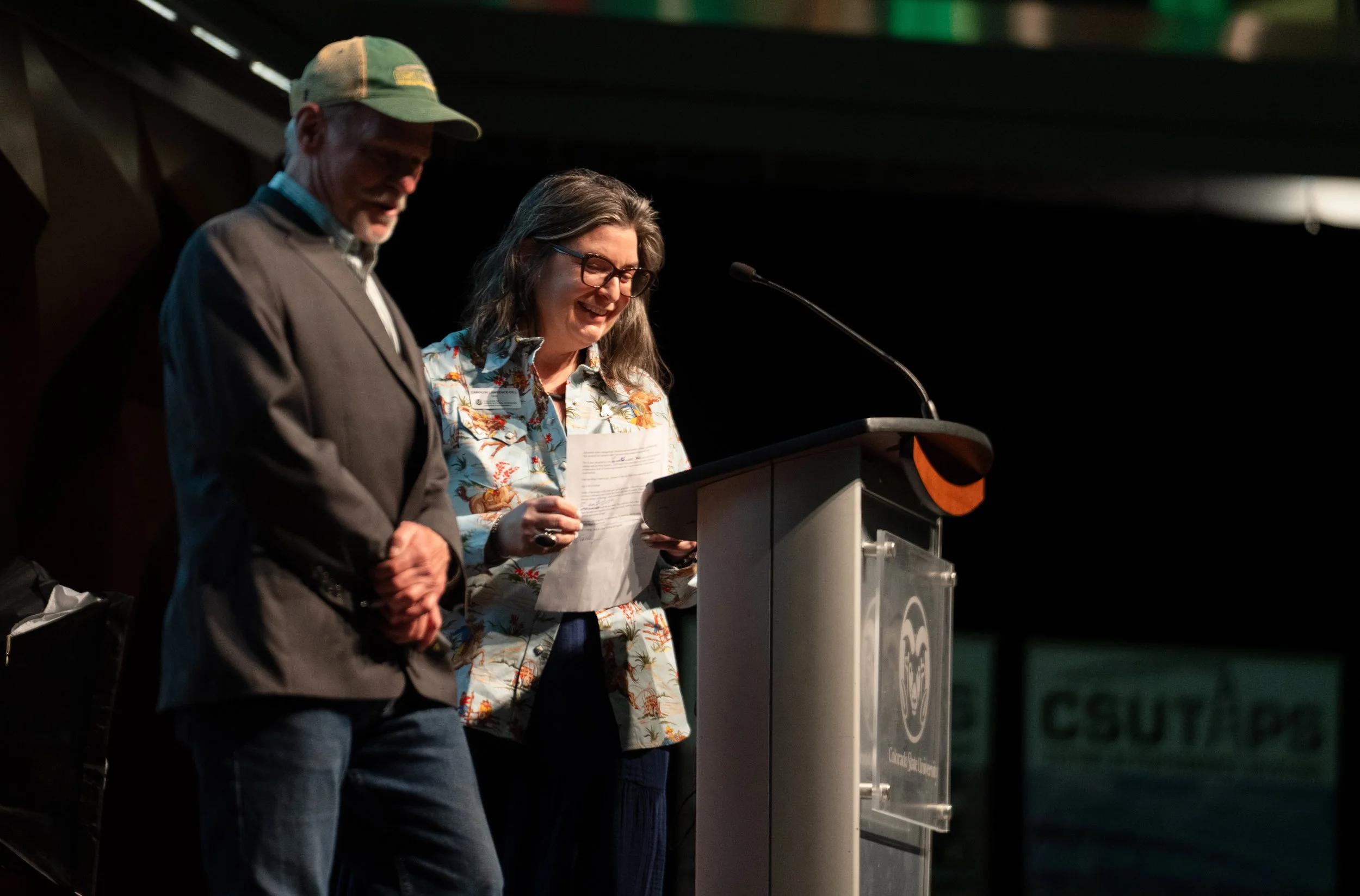
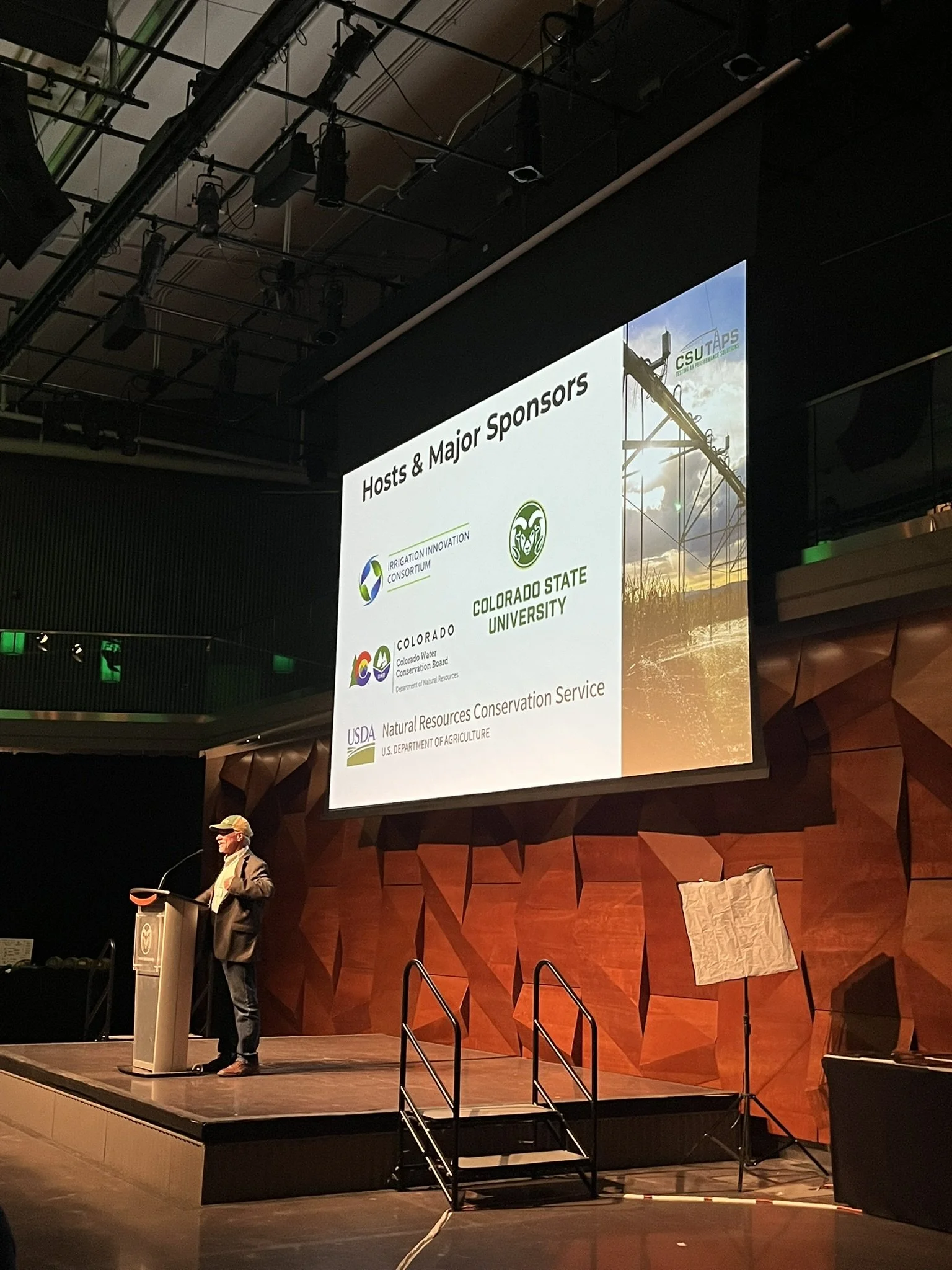
CSU College of Agricultural Sciences Dean Carolyn Lawrence-Dill welcomed attendees and gave opening remarks.
“At CSU ... we want our work to show up where it matters: on farms, in fields, and in management decisions that balance conservation with profitability,” Dill said. “Programs like TAPS are how that happens: through advanced water management, precision nutrient management strategies, practical, transferable skills—not research for research’s sake, but knowledge producers can really use.”
Clint Evans, NRCS State Conservationist for Colorado, helped present the special recognition award to the NRCS staff team. Representatives from Texas A&M AgriLife and Oklahoma State University also joined the celebration while in town for a multi-state TAPS meeting of program teams from across the High Plains, representing the growing regional reach of TAPS programs.
The banquet also marked the release of the 2025 CSU-TAPS Farm Management Competition Report, offering an overview of the competition, detailed results, and winners. CSU-TAPS is more than a competition—it’s a hands-on learning experience that brings producers and researchers together to explore data-driven decisions for sustainable agriculture.
Are you interested in competing in 2026? Please let us know!
Learn more about CSU-TAPS: http://www.irrigationinnovation.org/csu-taps